[Alternative Livelihood Initiative]
Building Resilience.
Restoring Dignity
We strengthen the livelihoods of youth, women, men and smallholder farmers across communities. Building economic resilience, one community at a time.
10k+
Men, Women & Youths


Trusted by Leading
Organisations
Organisations



About Us
Alternative Livelihood Initiative (ALI) is a registered Nigerian nonprofit that believes poverty is not inevitable. Since our founding, we have worked alongside the most vulnerable communities — designing programs that are market-driven, climate-smart and deeply rooted in the communities we serve. We do not just deliver aid. We build capacity, open markets and foster the leadership that communities need to sustain change long after our programs conclude.
7
8
9
0
1
0
1
2
3
4
5
,
7
8
9
0
0
0
1
2
3
4
5
7
8
9
0
0
+
Men, women & youth to be empowered by 2029
7
8
9
0
2
0
1
2
3
4
5
7
8
9
0
0
+
Village savings associations
7
8
9
0
7
0
1
2
3
4
5
%
Target increase in household income
7
8
9
0
2
5
1
2
3
4
5
,
7
8
9
0
0
0
1
2
3
4
5
7
8
9
0
0
+
Households to benefit from nutrition programs
2026–2029
Strategic Empowerment
Why ALI?
A force for inclusive, sustainable prosperity
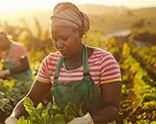
ALI is committed to strengthening resilience by empowering communities to unlock sustainable livelihoods and expand economic opportunities. Our work is guided by a community-first approach, grounded in evidence-based programming and backed by strong accountability systems.
Young men and women seeking economic independence.
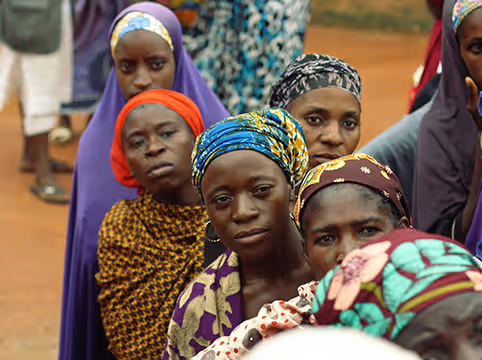
Women and female-headed households.
Smallholder farmers.
Vulnerable and marginalized groups, including persons with disabilities (PWDs), widows, internally displaced persons (IDPs) and low-income households.
Our Approach
How We Work
Engage • Empower • Elevate

Engage
We start where communities are — listening, learning and identifying the critical tipping points where smart intervention can unlock lasting change.
Empower
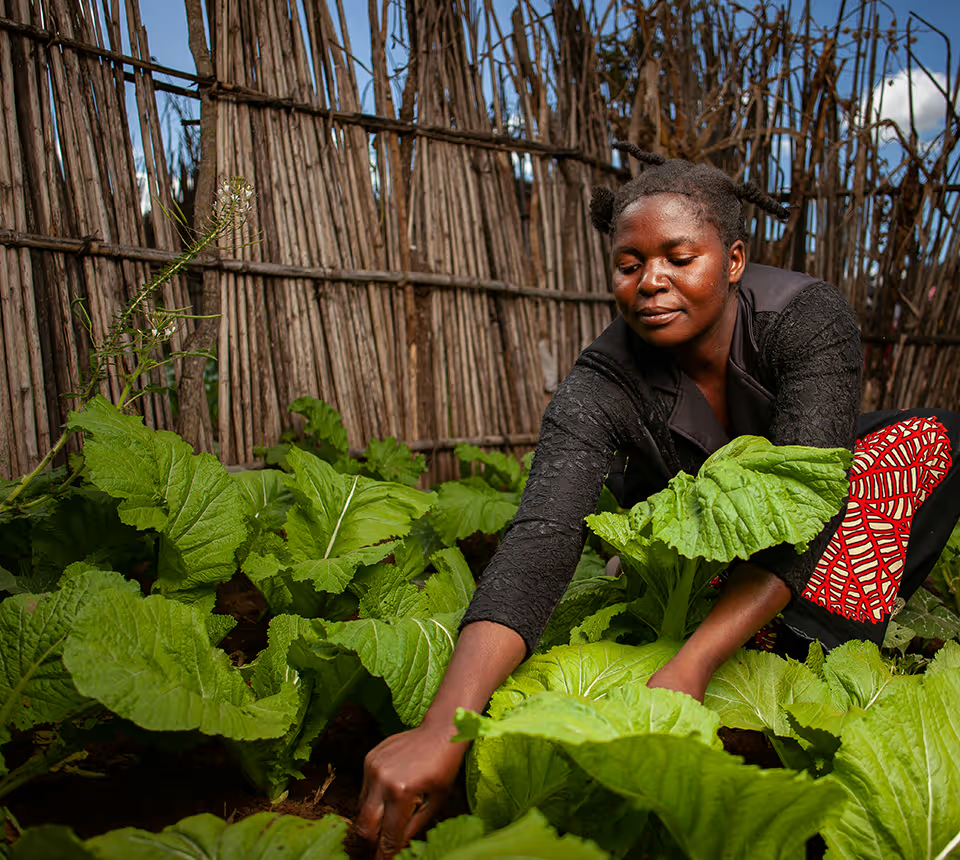
We put skills, resources and climate-smart options directly in the hands of youth, women, men and smallholder farmers — helping them increase incomes and build resilience from within.
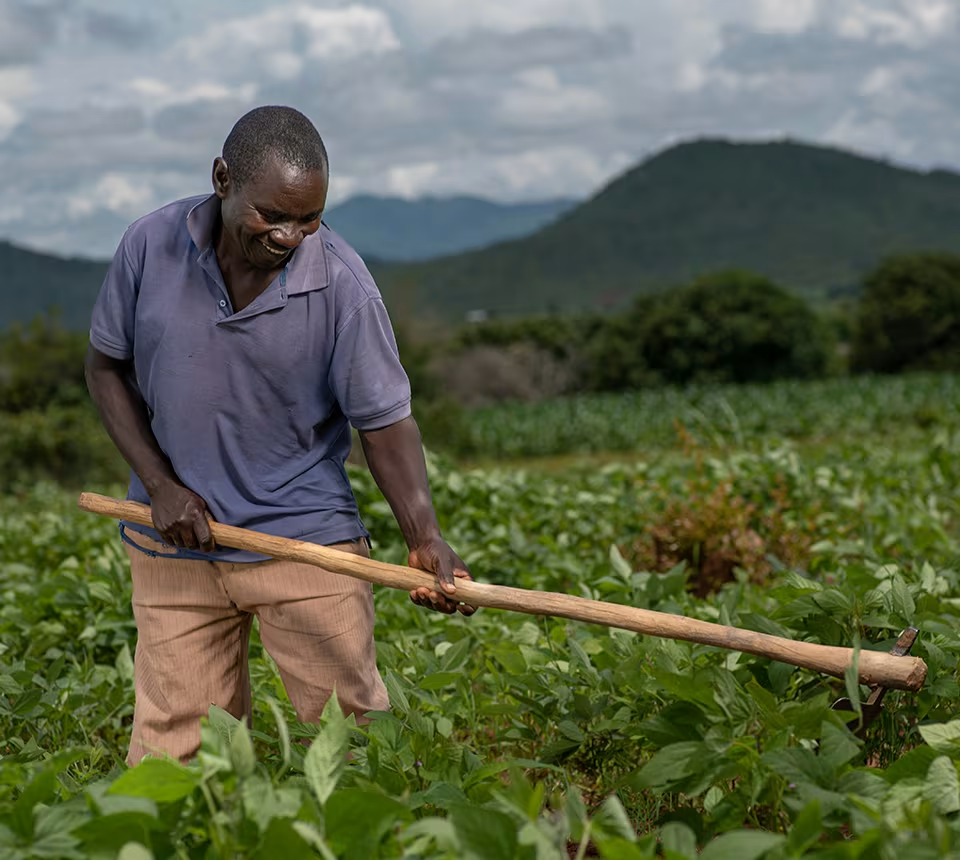
Elevate
By forging partnerships with local institutions, private sector actors and development stakeholders, we connect communities to the markets, finance and knowledge systems that sustain long-term prosperity.
Our Programs
Five pillars driving real change
Our interventions are structured around five interconnected areas that together create pathways out of poverty.
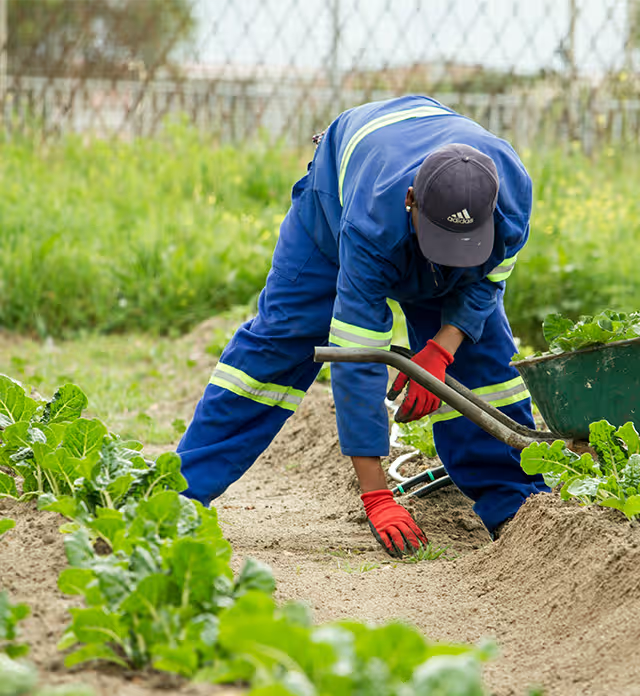
Productivity Enhancement & Sustainable Livelihood
Agribusiness training, climate-smart farming and market linkages to connect beneficiaries with buyers and cooperatives.
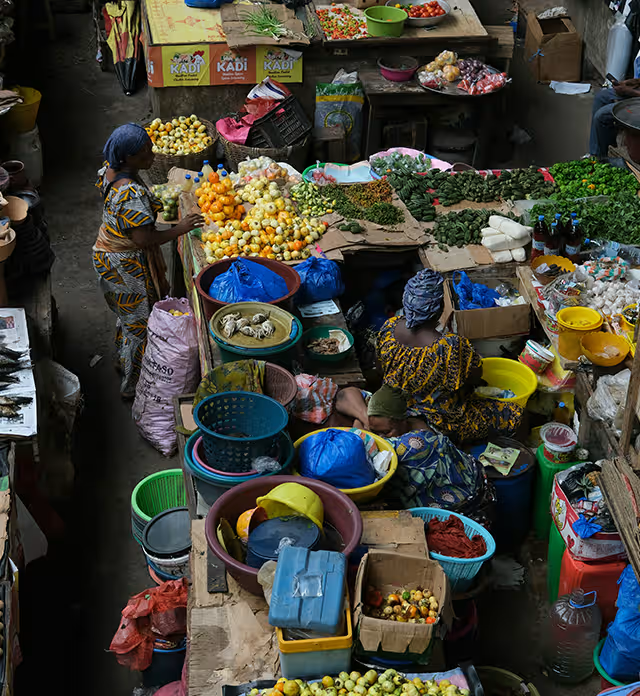
Livelihood Diversification
Micro-enterprise support across 12 states, cooperative formation, value addition and renewable energy enterprise training to reduce income shocks.
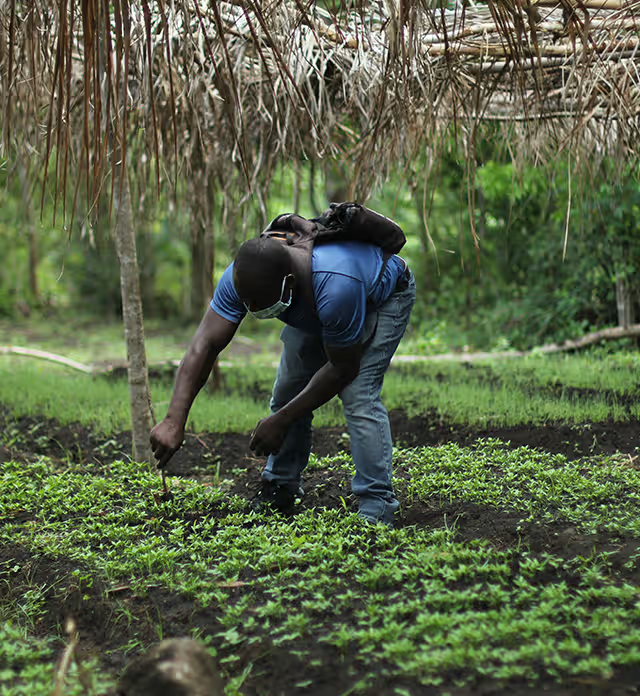
Nutrition & Food Security
Biofortified crop promotion, school garden programs, nutrition education campaigns reaching 10,000 households and women-led food processing cooperatives.
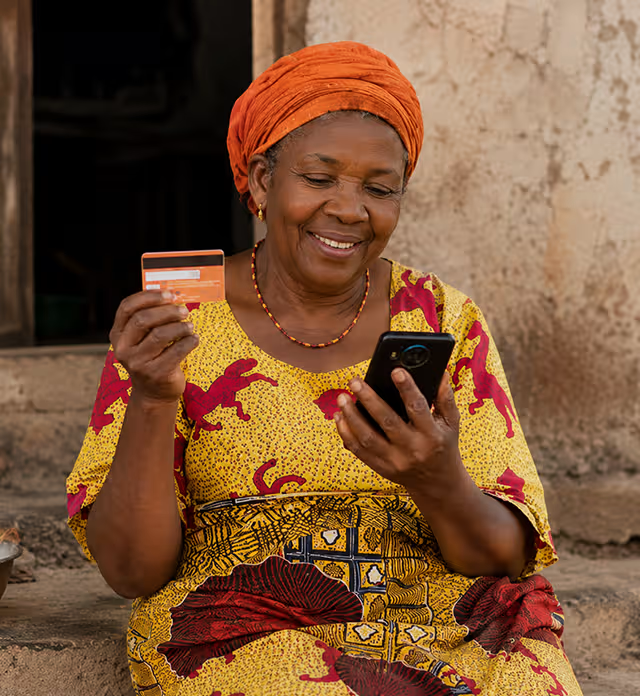
Financial Inclusion
200 Village Savings & Loan Associations, digital financial literacy training, micro-grants and revolving funds for start-ups.
Partnerships & Capacity Building
Collaboration with government, private sectors and civil societies, building capacity and hosting annual livelihood & nutrition summits.
Productivity Enhancement & Sustainable Livelihood
Agribusiness training, climate-smart farming and market linkages to connect beneficiaries with buyers and cooperatives.
Livelihood Diversification
Micro-enterprise support across 12 states, cooperative formation, value addition and renewable energy enterprise training to reduce income shocks.
Nutrition & Food Security
Biofortified crop promotion, school garden programs, nutrition education campaigns reaching 10,000 households and women-led food processing cooperatives.
Financial Inclusion
200 Village Savings & Loan Associations, digital financial literacy training, micro-grants and revolving funds for start-ups.
Partnerships & Capacity Building
Collaboration with government, private sectors and civil societies, building capacity and hosting annual livelihood & nutrition summits.
Sustainability Strategy
Built to last beyond our involvement
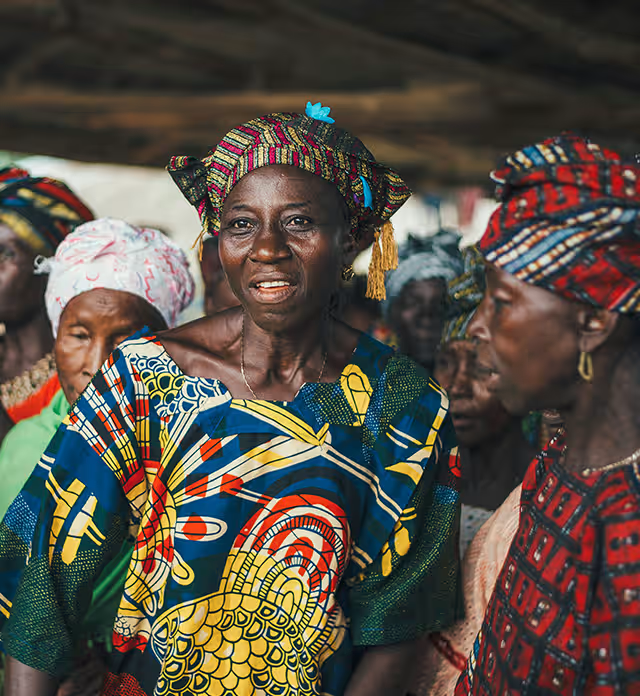
01. Community Ownership
Strengthening cooperatives and VSLAs to foster collective responsibility and local decision-making.
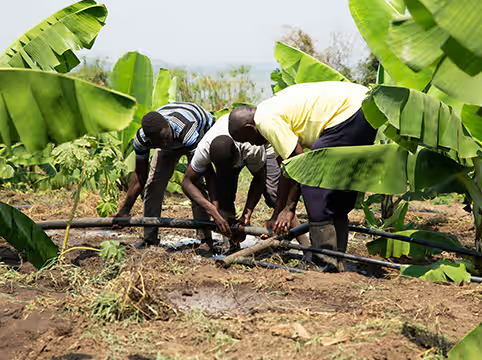
02. Climate-Smart Practices
Drought-resistant crops, renewable energy solutions and resource-efficient technologies embedded in daily life.
03. M&E Systems
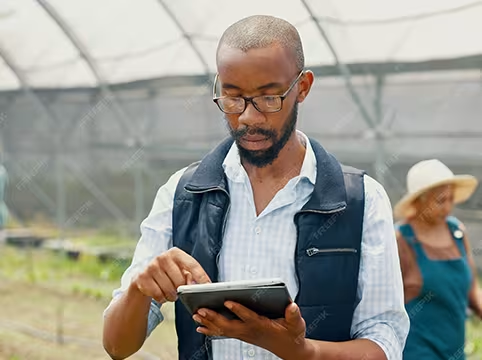
Digital tools, baseline surveys and community feedback mechanisms that track progress and refine interventions.

04. Private Sector Partnerships
Linkages with agribusinesses, financial institutions and digital platforms that scale enterprise and market access.
